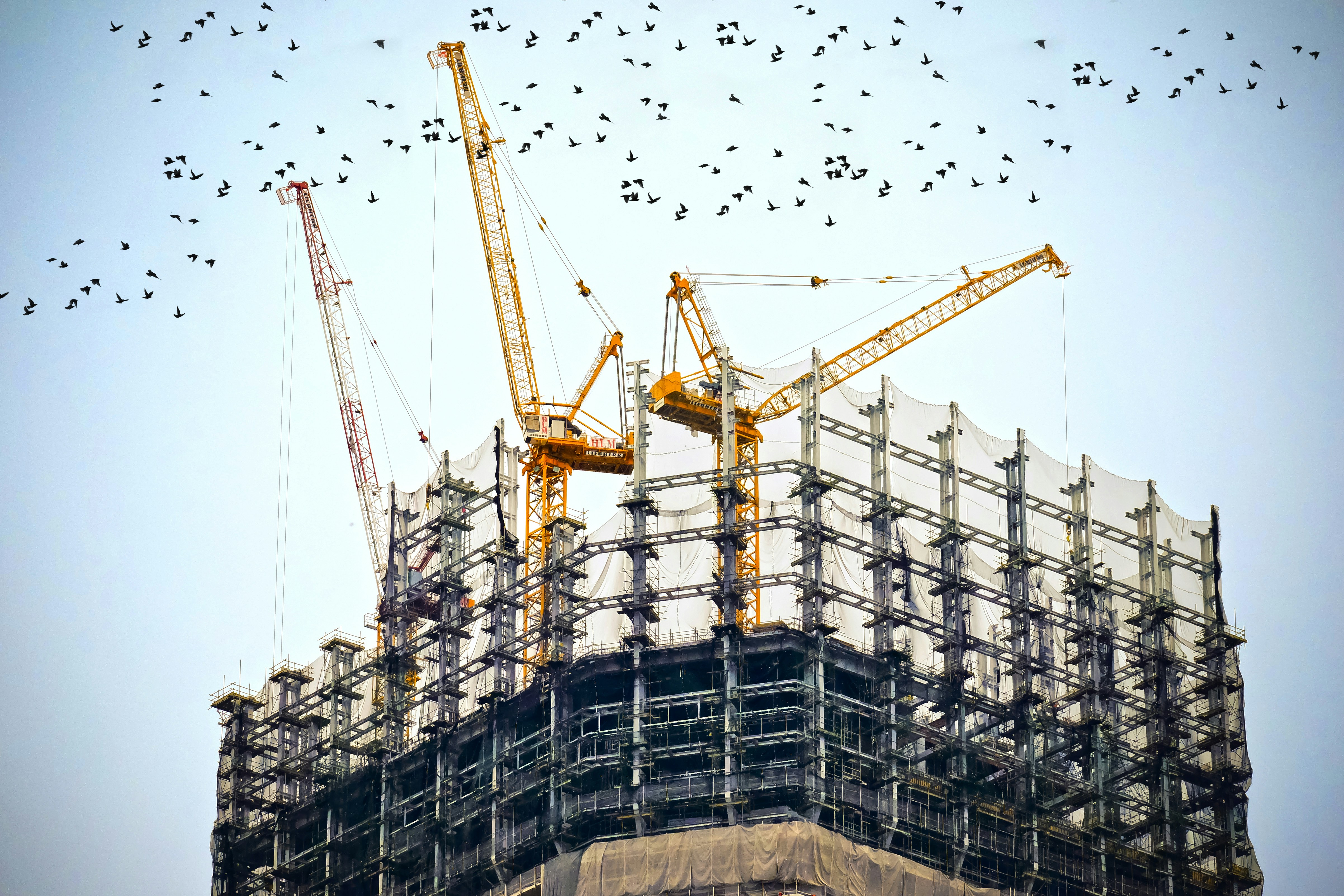
Why Hyperion for Construction, Architecture & Design
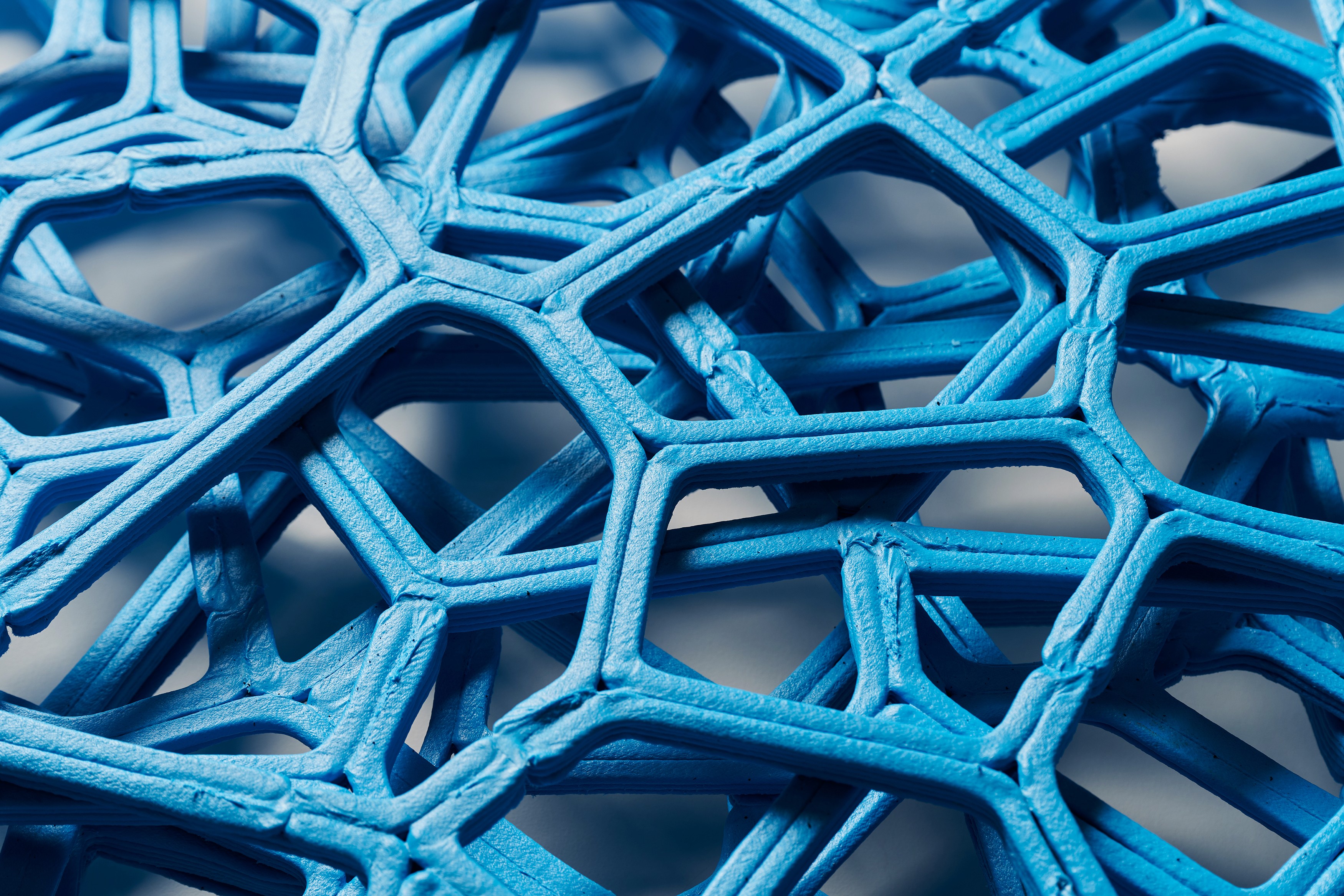
Hyperion uses engineering-grade polymers selected for strength, durability, and reliable production, supported by testing, compounding, and application-specific validation.
FREQUENTLY ASKED QUESTIONS
For construction, architecture and design teams working around lead times and site constraints.
Q1.
How is large-format additive manufacturing used in construction and infrastructure?
Hyperion produces formwork, prefabricated components, architectural features and built-environment infrastructure using large-format robotic manufacturing — particularly where complexity, transport constraints or long lead times slow conventional delivery.
Q2.
Can components be 3D printed on the construction site?
Yes — manufacturing capability can be deployed closer to construction sites, reducing transport constraints for large, custom or complex components and shortening the distance between a design change and an installed part. Availability is project-dependent.
Q3.
How does 3D printing help with construction labour and cost pressures?
Robotic production reduces reliance on labour-intensive fabrication — a cost and availability constraint conventional methods can't easily relieve — while large-format manufacturing supports complex geometries and custom forms without expensive traditional tooling cycles.
Q4.
Is large-format 3D printing suitable for architectural and design projects?
Yes — large-format additive manufacturing supports complex geometries, custom facade elements and project-specific forms that are slow or uneconomic to build with conventional formwork, making otherwise difficult designs viable.
Q5.
Does additive manufacturing reduce material waste in construction?
It can — additive processes and recycled polymer feedstock reduce waste compared with conventional subtractive or formwork-heavy methods, lowering material cost and supporting sustainability and embodied-carbon goals.