
Built Environment
APPLICATIONS
Large-format manufacturing for construction and infrastructure.
The Challenge
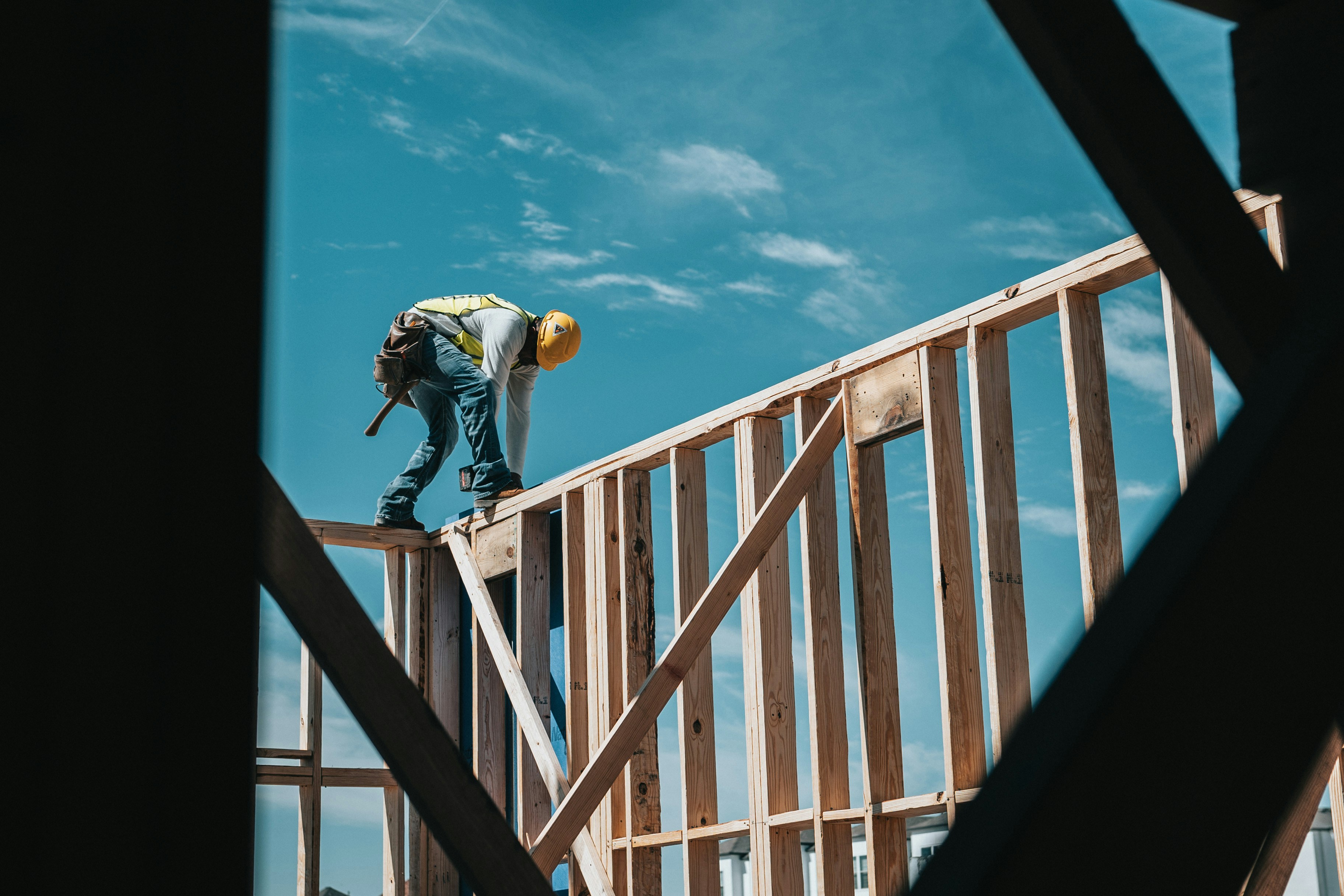
Construction depends on slow, transport-heavy fabrication methods that struggle to deliver large, customised or low-volume components within compressed project timelines. Labour availability adds further constraint — skilled fabrication is costly, in short supply, and a bottleneck that conventional methods cannot easily relieve.
01 /
Housing and construction projects facing cost and time pressure
02 /
Labour-intensive construction methods
03 /
Material waste from traditional building processes
04 /
Long lead times for custom or low-volume components
05 /
Limited flexibility once designs are finalised
06 /
Difficulty scaling new construction approaches consistently
The Solution
Hyperion applies large-format robotic manufacturing to built environment components, reducing dependence on labour-intensive fabrication, distant suppliers and long lead times so projects can hold timelines and adapt as designs change.

Production outputs
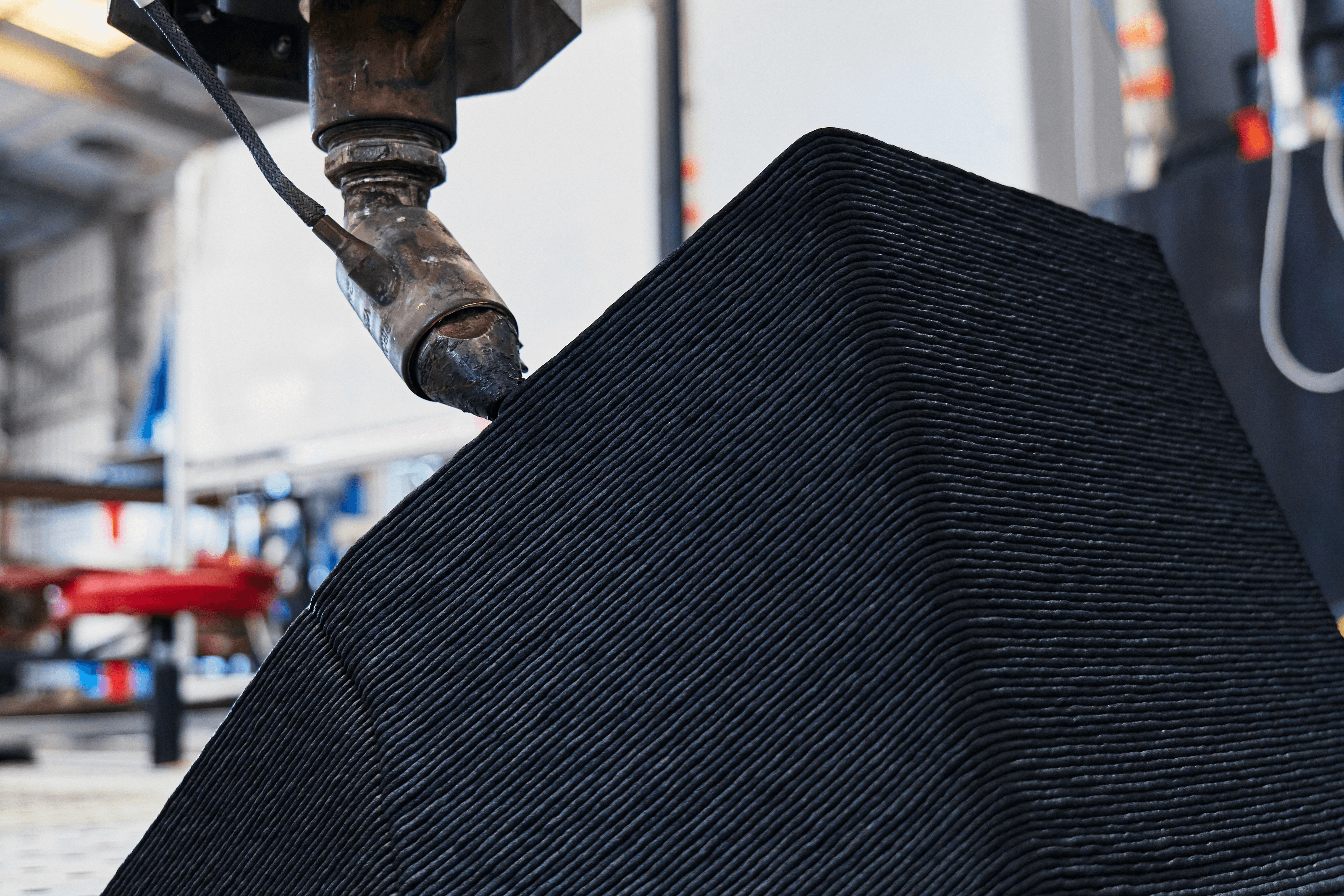
Production outputs for architectural, construction, and infrastructure components at large scale.

Outputs
01 /
Housing components
02 /
Recycled polymer building components
03 /
Structural components
04 /
Architectural elements
05 /
Construction supports
06 /
Formwork and moulds
07 /
Custom low-volume components
FREQUENTLY ASKED QUESTIONS
Common questions about additive manufacturing in construction
For teams producing formwork, prefabricated and architectural components under project pressure.
Q1.
How is large-format additive manufacturing used in construction and infrastructure?
Hyperion produces formwork, prefabricated and modular elements, architectural features and structural components using large-format robotic manufacturing, supporting faster, more repeatable production of large or customised parts while reducing reliance on labour-intensive fabrication.
Q2.
What construction components can Hyperion produce at scale?
Formwork, prefabricated and modular building elements, architectural and facade components, structural and non-structural infrastructure parts, and custom fixtures — adaptable to project-specific requirements.
Q3.
Can components be manufactured on the construction site?
Yes — deployable production can be positioned at the construction site itself, bringing manufacturing to the project rather than freighting large components in. This reduces transport burden and shortens the distance between a design change and an installed part. Availability is project-dependent.
Q4.
Can recycled polymer materials be used in built-environment applications?
Yes — components can be produced in recycled polymer feedstock where suitable, for selected housing, infrastructure and construction applications, reducing material waste and supporting sustainability goals.
Q5.
How does this help with construction labour shortages?
Robotic production reduces reliance on labour-intensive fabrication — a cost and availability constraint conventional methods can't easily relieve — easing the fabrication bottleneck that holds up downstream work.