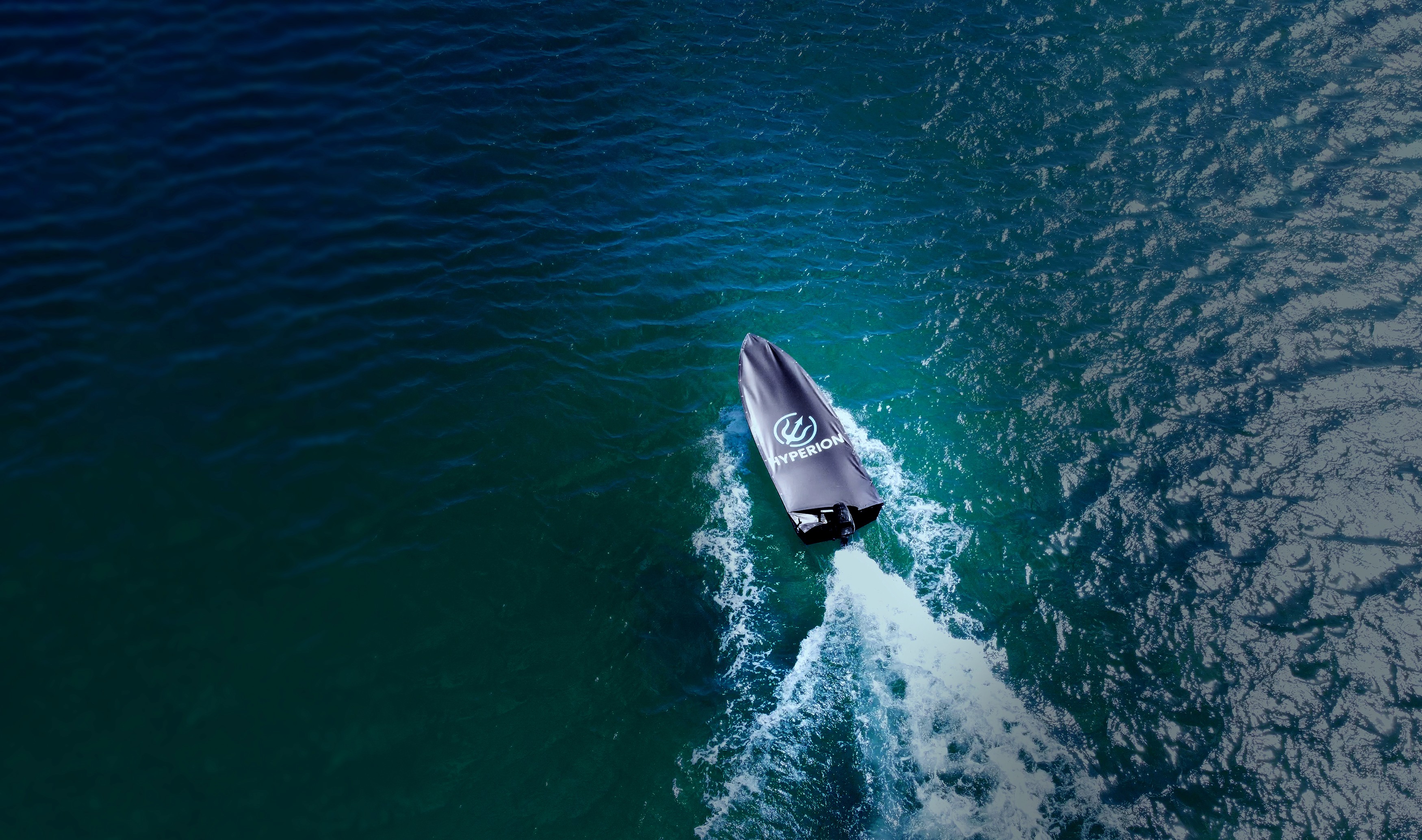
Marine and maritime infrastructure production delivered closer to the point of need, reducing downtime, logistics burden and lead times.
Manufacturing challenges in marine environments
Marine operators — across commercial vessels and ports, defence and naval, offshore energy and subsea, and aquaculture and coastal infrastructure — share a common constraint: the parts they depend on are hardest to source exactly where they are needed. Remote and offshore sites sit at the end of long, costly freight routes. Harsh conditions drive corrosion, wear and replacement cycles that centralised, long-lead manufacturing is slow to serve. When a vessel or asset is waiting on a component, it is not earning — and in defence contexts, it is not ready. Conventional supply chains concentrate production far from the water, turning every replacement, repair or design change into a logistics problem.
Why Hyperion for Marine
Hyperion uses engineering-grade polymers selected for strength, durability, and reliable production, supported by testing, compounding, and application-specific validation.
PROVEN AT SCALE
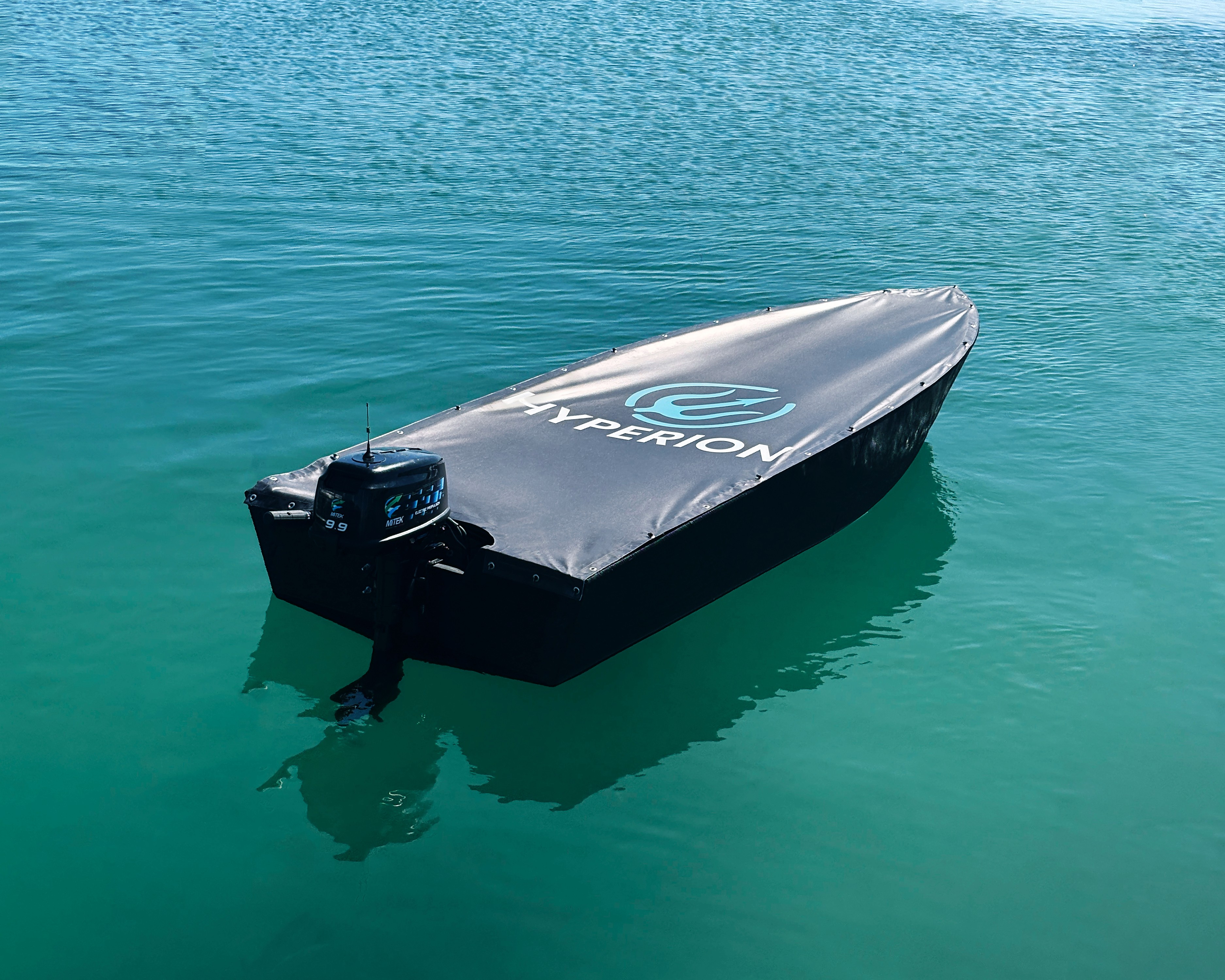
The ASTRA 460 — the southern hemisphere’s first 3D printed Unmanned Surface Vessel. Designed, manufactured and delivered in Western Australia in 40 hours. It followed an earlier 3.5m printed vessel, demonstrating a repeatable large-format pathway for marine hulls rather than a one-off build.

FREQUENTLY ASKED QUESTIONS
Common questions from marine, offshore and coastal operators evaluating production closer to the water.
Q1.
Why is on-demand manufacturing valuable for the marine sector?
On-demand manufacturing lets marine operators produce parts closer to the water, reducing freight, lead times and the risk of a vessel or asset sitting out of service while it waits on a component. It addresses the core marine constraint: the parts operators depend on are hardest to source at remote coastal and offshore sites at the end of long freight routes.
Q2.
What marine applications does additive manufacturing support?
Vessels, flotation systems, maritime infrastructure and subsea applications — spanning commercial marine, defence and naval, offshore energy and subsea, and aquaculture and coastal infrastructure.
Q3.
How does 3D printing perform in harsh marine and saltwater conditions?
Components are produced in engineering-grade and recycled polymers selected for salt, moisture and temperature exposure, and validated against operational conditions before entering service. This addresses the corrosion and wear cycles that drive marine replacement demand.
Q4.
Has Hyperion proven large-format 3D printing at scale in marine applications?
Yes — the ASTRA 460, the southern hemisphere's first 3D printed uncrewed surface vessel, was designed, manufactured and delivered in Western Australia in 40 hours, following an earlier 3.5m printed vessel. Together they demonstrate a repeatable large-format pathway for marine hulls rather than a one-off build.
Q5.
Can Hyperion produce marine parts closer to remote and offshore operations?
Yes — manufacturing capability can be positioned closer to coastal, remote and maritime sites, reducing freight and logistics dependency.