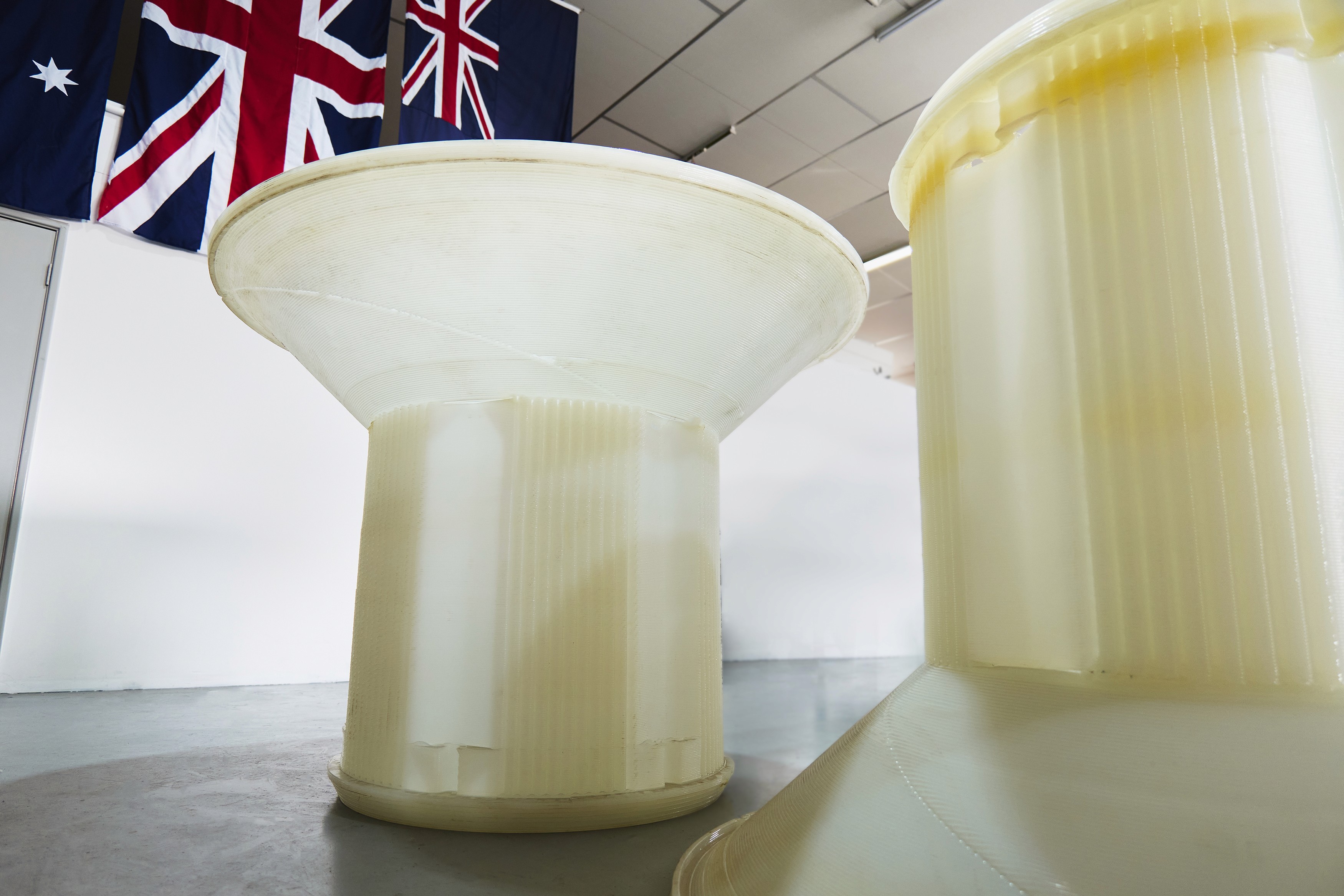
Replacement parts and infrastructure for onshore and offshore operations, reducing downtime, logistics burden and cost.
Why Hyperion for Critical Resources & Mining
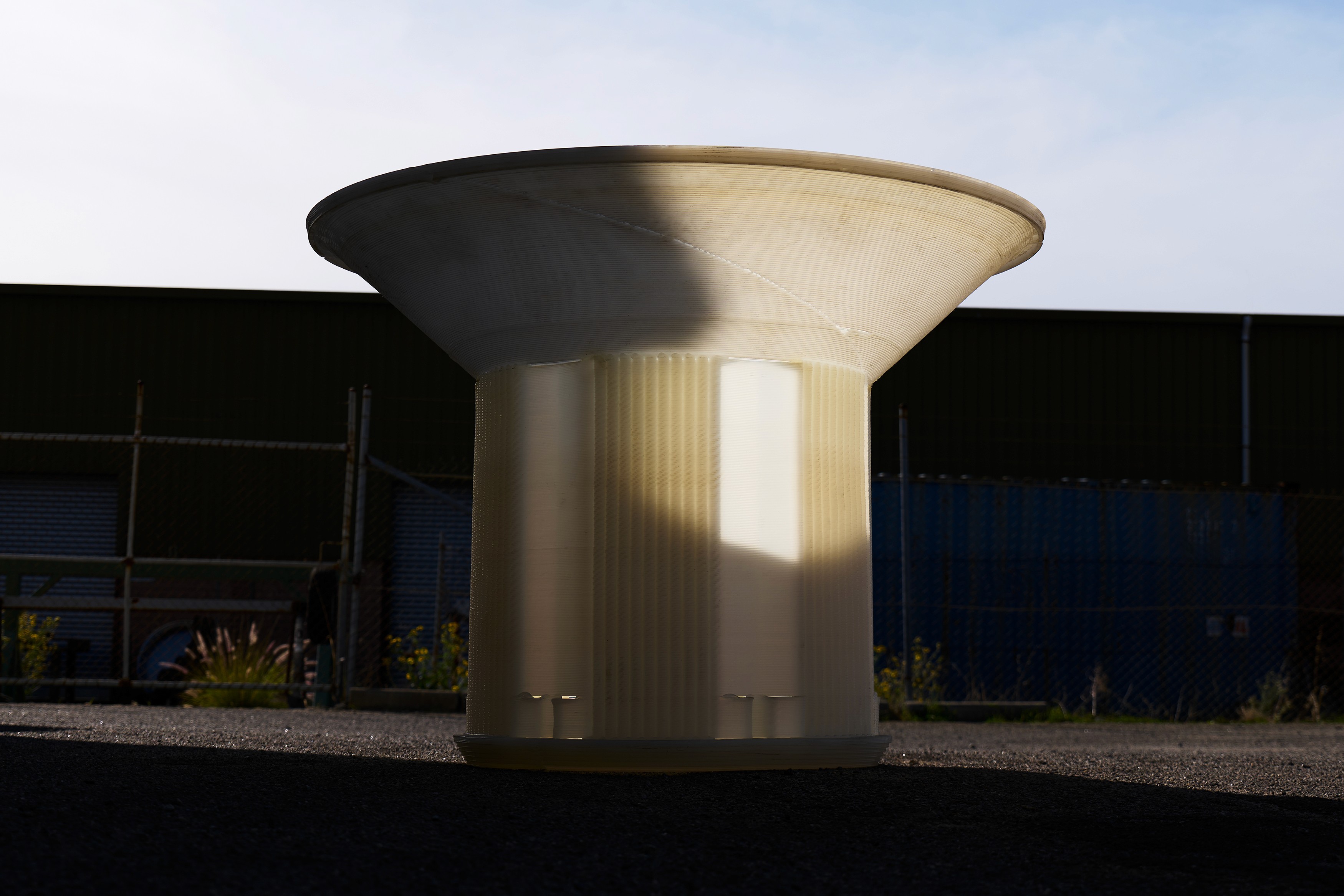
Hyperion uses engineering-grade polymers selected for strength, durability, and reliable production, supported by testing, compounding, and application-specific validation.
FREQUENTLY ASKED QUESTIONS
What else should you know about Hyperion for mining and resources?
Common questions from remote and industrial operators managing downtime and logistics.
Q1.
Why is on-demand manufacturing valuable for mining and resource operations?
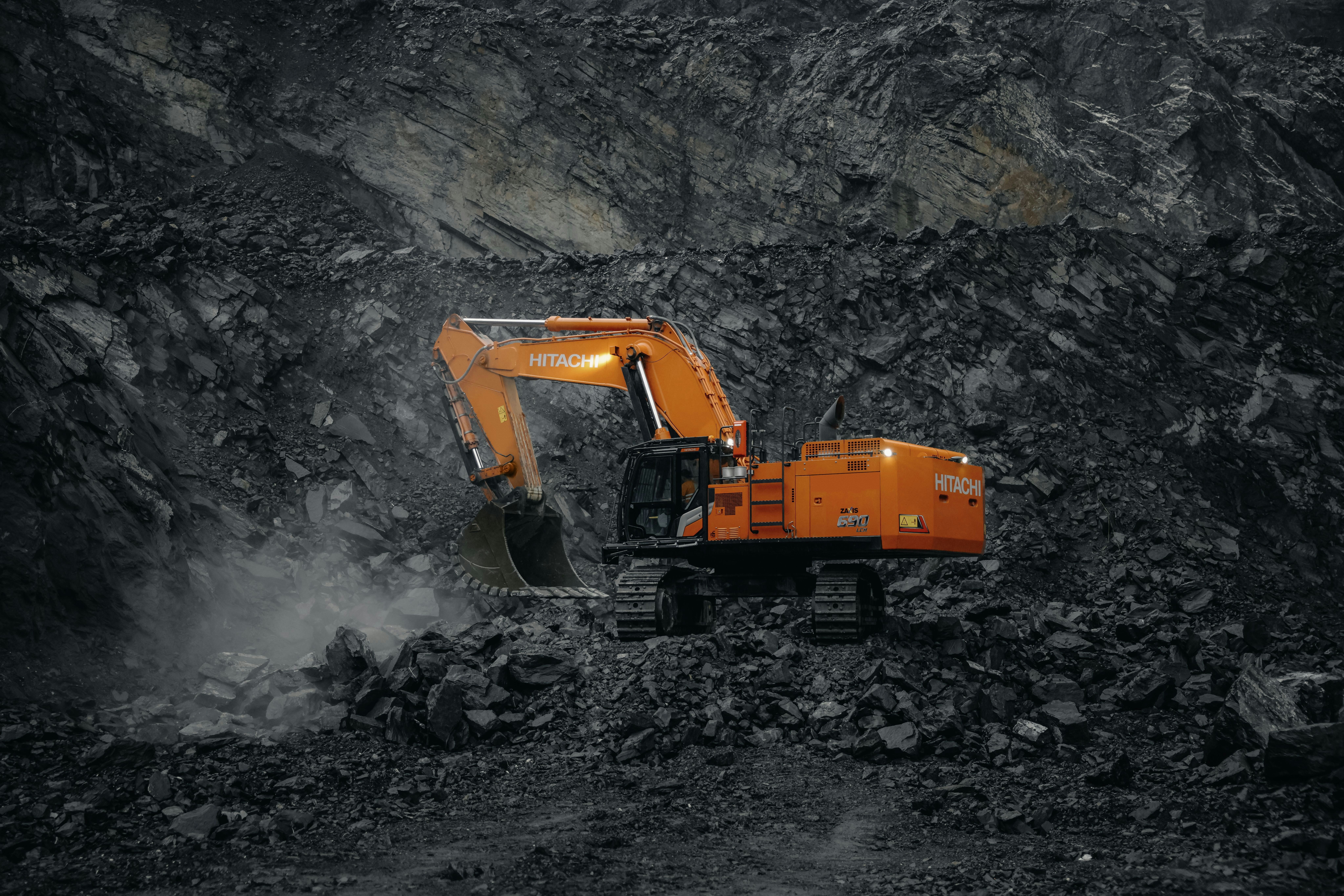
On-demand manufacturing gives mining and resource operators local production capability, reducing dependence on extended supply chains and shortening the time to get critical parts to site. This matters because remote sites face long lead times, complex logistics and high-cost downtime, where a single immobilised machine carries significant cost.
Q2.
Can Hyperion 3D print mining equipment and replacement parts?
Yes — replacement parts for equipment and heavy machinery, wear components, tooling and fixtures, subsea components, protective housings and site infrastructure — across mining, offshore energy and subsea, and remote industrial operations.
Q3.
How do 3D-printed components perform in harsh mining environments?
Components and systems are designed to function in the extreme temperatures, dust and vibration typical of resource extraction, reducing failure and replacement frequency on parts that are costly and slow to get to site.
Q4.
Can Hyperion use recycled or circular materials for mining components?
Yes — recycled material streams and circular manufacturing are integrated into production, reducing reliance on virgin feedstock and freight to remote sites.
Q5.
What materials are used for mining and resource components?
Durable engineering polymers including TPU for wear, subsea and harsh-environment applications, plus structural metals via WAAM.